Timing Your Trip

Egypt Seasonal Calendar

Egypt rewards the visitor who arrives at the right moment. The same temple that is a punishing furnace in July is a pleasure to explore in January, and a handful of dates each year transform an ordinary site visit into something unforgettable. This calendar sets out what to expect month by month, so you can match your dates to your comfort and your interests.

The Big Picture

Understanding Egypt's Climate

Egypt has, in effect, two seasons that matter to a visitor: a long, intensely hot summer from roughly May to September, and a mild, dry winter from October to April that constitutes the high season for heritage travel. The further south you go, the more extreme the heat becomes, so Aswan and Abu Simbel in midsummer can climb well above forty degrees Celsius, while Cairo and the Mediterranean coast stay a few degrees cooler and slightly more humid. Rain is rare almost everywhere and never disrupts a heritage itinerary in the way it might elsewhere.

For most travellers the sweet spot runs from late October to early April, when daytime temperatures are comfortable for walking open-air sites and the evenings are pleasantly cool. This is also when the crowds and prices peak, so the trade-off for good weather is sharing the Valley of the Kings with more visitors and booking accommodation further ahead. Our advice on pacing hot-weather days appears in the Visitor Handbook, which is essential reading if your dates fall in the shoulder months.

One desert phenomenon worth knowing is the khamsin, a hot, dust-laden wind that can blow for a day or two between March and May, reducing visibility and making outdoor sites uncomfortable. It passes quickly, and a flexible day or two in your itinerary lets you simply switch to indoor museums when it arrives.
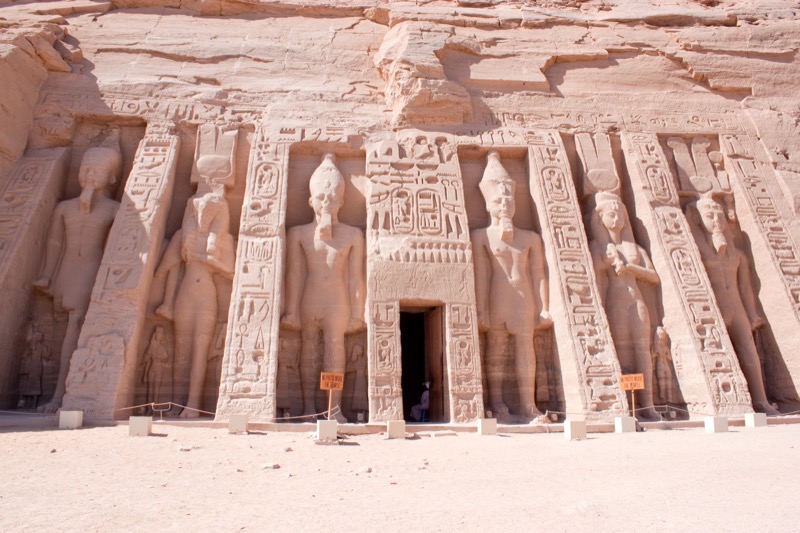
Sunrise over the desert and ancient ruins under a clear Egyptian winter sky

Month by Month

What Each Season Offers

Typical conditions across the main destinations, with practical notes for planning museum and site days.

PeriodCairo & NorthLuxor & AswanPlanning Note
October–NovemberWarm days, mild eveningsHot easing to warmExcellent shoulder season; fewer crowds than midwinter, comfortable for open-air sites.
December–FebruaryCool, occasional chilly nightsWarm days, cool nightsPeak high season and the most comfortable months; book accommodation and trains well ahead.
March–AprilWarming, possible khamsin windHot and risingStill pleasant early; keep a flexible day for dust winds and switch to museums if needed.
May–SeptemberHot, humid on the coastVery hot, often above 40°CLow season; start outdoor sites at opening, reserve afternoons for air-conditioned galleries.

The southern temples reward early starts in any season, but in summer an early start is not optional. For the order in which to tackle the major monuments regardless of month, see our Ancient Sites guide, and for indoor alternatives on the hottest days consult Top Collections.

Dates Worth Planning Around

Festivals and Astronomical Events

A few fixed moments each year offer experiences that no ordinary visit can match.

Abu Simbel Sun Festival

Twice a year, on 22 February and 22 October, the rising sun penetrates the entire length of the Great Temple of Ramesses II at Abu Simbel and illuminates the statues in the inner sanctuary. The ancient builders aligned the temple so that the sun reaches the figures of Ramesses, the sun god Ra and the creator god Ptah, while the underworld god leaves Ptah in shadow. Crowds gather before dawn and the surrounding plaza takes on a festival atmosphere with music and food. If your dates allow, planning a southern leg around one of these mornings is richly rewarded.

Ramadan and Eid

The Islamic holy month of Ramadan shifts roughly eleven days earlier each year on the Western calendar. During it, daytime hours are quieter, some site hours are shortened, and many restaurants open only after sunset, when the streets of Islamic Cairo come alive with celebration. Visiting during Ramadan is rewarding for the atmosphere and the famous evening hospitality, provided you adjust your expectations for daytime pace and confirm opening hours in advance.

Coptic and National Holidays

Coptic Christmas on 7 January and Coptic Easter are significant in Egypt's Christian heritage and bring particular life to Coptic Cairo. Sham el-Nessim, an ancient spring festival with roots in the pharaonic era, falls the day after Coptic Easter and sees families picnicking in green spaces nationwide. On these days some government offices and banks close, so factor that into any administrative errands while leaving heritage visits largely unaffected.

Cultural Programmes and Sound and Light

The sound-and-light shows at the Giza Pyramids, Karnak and Philae run year-round in the evenings and are at their most pleasant in the cooler months when sitting outdoors after dark is comfortable. Occasional concerts and special openings are staged at major venues during the high season. Because programmes change, our team confirms current schedules for members planning around a specific evening, and families can find suitable timings noted on the Family Explorer page.

Putting It Together

Matching Dates to Your Interests

If your priority is comfortable conditions for long days at open-air sites such as Karnak, the Giza Plateau and the west bank at Luxor, aim squarely for December to February and accept the higher prices and larger crowds that come with the best weather. If you would rather trade a little heat for quieter sites and lower costs, the shoulder weeks of late October and early April offer a genuine compromise, with most days still very manageable for a visitor who starts early and rests through the afternoon.

Travellers whose visit is fixed by work or school holidays in the summer should not be discouraged. The museums, including the Grand Egyptian Museum and the Egyptian Museum at Tahrir, are air-conditioned and at their best in the heat of the day, and a summer itinerary that front-loads outdoor monuments into the cool early mornings can be every bit as rich as a winter one. The key is structure, and our team is glad to help shape a heat-aware plan that keeps the experience enjoyable rather than exhausting.

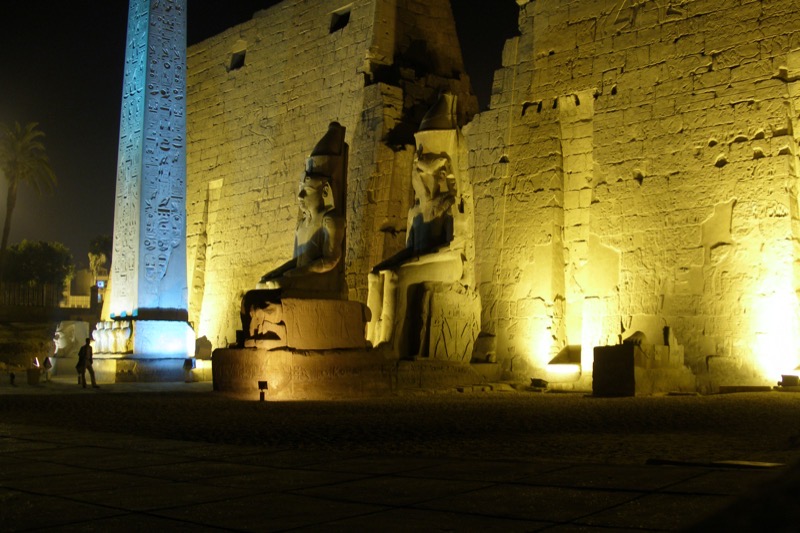
Visitors exploring an illuminated Egyptian temple complex during the cool evening

Time Your Visit Well

Tell us your available dates and what you most want to see, and our research team will flag the seasonal factors that matter for your itinerary.