Practical Essentials

Egypt Visitor Handbook

Everything a first-time visitor to Egypt needs to settle in quickly: how to enter the country, what money to carry, how to move between sites, and the small points of etiquette that make the difference between feeling lost and feeling at home. This handbook gathers the practical knowledge our research team relies on most.

Before You Arrive

Visas, Documents and Entry Formalities

Most visitors to Egypt require a tourist visa, and the route you choose depends on your nationality and how much time you want to spend in airport queues. The Egyptian e-Visa portal issues a 30-day single or multiple-entry visa online, usually within a few working days, and printing the approval before travel removes any uncertainty on arrival. Citizens of many countries can alternatively buy a visa on arrival at Cairo, Luxor, Hurghada and other international airports, paid in cash and stuck into the passport at a bank counter before passport control.

Your passport must be valid for at least six months beyond your date of entry, and immigration officers expect to see a return or onward ticket and proof of accommodation. Keep a digital and a paper copy of your passport details page separate from the document itself. If you intend to visit Sinai beaches only, a free entry permit valid for fifteen days is issued at the relevant entry points, but this permit does not allow travel to the rest of the country, so confirm your itinerary against it.

For visitors planning their first museum days, our Top Collections guide explains which institutions to prioritise, and the Seasonal Calendar helps you time your arrival around the most comfortable months.

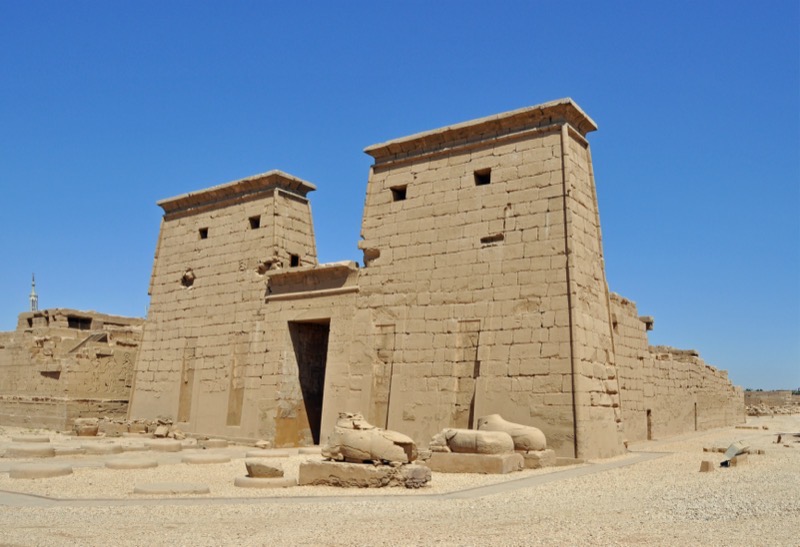
Traveller arriving at an Egyptian heritage site with passport and guidebook in hand

Money Matters

Currency, Cards and Tipping

The Egyptian pound is the only legal tender for everyday purchases. Understanding how cash and cards work in practice will save you time and avoid awkward moments at the ticket window.

Carry Small Notes

Egyptian banknotes come in denominations up to 200 pounds, and small purchases, taxi fares and tips are far easier when you hold a stack of 5, 10 and 20 pound notes. Vendors and drivers frequently claim to have no change for large notes, so break a 200 at a supermarket or your hotel early in the day. Withdraw from bank ATMs rather than standalone machines in tourist areas, as the rates and reliability are better and the withdrawal fees are clearly disclosed.

Cards and Cash Together

Larger hotels, the Grand Egyptian Museum ticket desk and established restaurants accept international cards, but many smaller venues, local eateries and entrance gates at minor sites are cash only. Plan to carry enough cash for a full day of site tickets, transport and meals, and treat your card as a backup for hotels and larger bills. Notify your bank of your travel dates so that a foreign transaction does not trigger a block at an inconvenient moment.

Baksheesh and Service

Tipping, known as baksheesh, is woven into daily life and is expected for small services rather than offered as a reward for the exceptional. A few pounds for a restroom attendant, ten to twenty pounds per bag for a hotel porter, and ten to fifteen percent in a restaurant where service is not already added are reasonable. A guide who has given you a thoughtful half day deserves more, and our Guided Tours page sets out the customary ranges for professional guides.

Avoid the Common Overcharges

Agree a taxi fare before you set off or use a ride-hailing app that fixes the price in advance. At sites, only buy tickets at the official counter, never from an individual offering to skip the queue. Bottled water bought from a kiosk away from the entrance gate costs a fraction of the price charged inside, so stock up before you arrive. None of this requires suspicion of everyone you meet, only the same ordinary caution you would use anywhere.

Getting Around

Transport Between and Within Cities

Egypt's main heritage destinations are spread along the Nile, and choosing the right mode for each leg keeps your days efficient and your evenings restful.

Domestic flights are the fastest way to cover the long distances between Cairo, Luxor, Aswan and Abu Simbel, and the network is frequent enough that a one-hour hop can replace a full day on the road. The overnight sleeper train between Cairo and the south is a comfortable and atmospheric alternative, with private cabins, an evening meal and a morning arrival that saves a night's accommodation. Book either option a few days ahead in the high season, as both fill quickly when the weather is at its best.

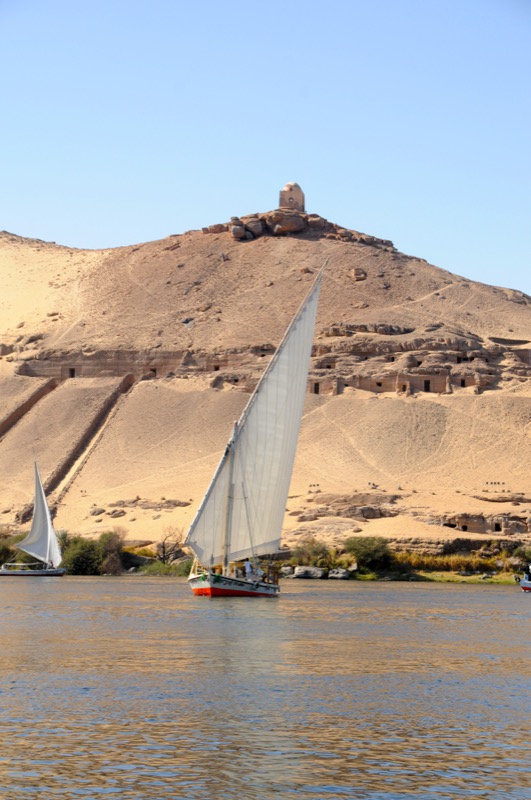
Within the cities, ride-hailing apps have transformed the experience of getting around because the fare is fixed in advance and there is no negotiation at the kerb. Cairo also has a metro that is cheap, fast and a practical way to avoid the city's notorious traffic, with a dedicated carriage for women near the front of each train. In Luxor and Aswan, short hops are easily covered by taxi, and a felucca sail across the Nile at sunset is both transport and an experience in itself, as described on our Ancient Sites page.

If you intend to combine several southern temples in a single trip, the Nile between Luxor and Aswan is best travelled by water, and our companion notes on river itineraries link from the Cairo Highlights guide for those starting in the capital.

Traditional felucca sailing boat crossing the Nile near Aswan in the late afternoon

On Site

Dress, Photography and Site Conduct

Egypt's heritage sites are living places of worship and study as well as monuments, and a little awareness of local expectations makes every visit smoother.

What to Wear

Modest, lightweight clothing serves you in two ways: it respects local norms and it protects you from the sun. For mosques such as the Mosque of Muhammad Ali or the medieval foundations of Islamic Cairo, both men and women should cover shoulders and knees, and women should carry a light scarf to cover the hair before entering. Shoes come off at the threshold of any prayer hall. At open-air sites like Karnak and the Giza Plateau, a hat, sunglasses and closed shoes for uneven ground matter more than formality.

Photography Rules

Each site sets its own policy, so check the signage at the entrance. The Grand Egyptian Museum allows non-flash photography across most galleries, while the Valley of the Kings requires a separate photography ticket for the tombs and bans cameras entirely in the tomb of Tutankhamun. Tripods and professional equipment usually need advance permission. Never photograph military installations, checkpoints or airport interiors, and always ask before photographing a person, which is simple courtesy and usually welcomed with a smile.

Respecting the Monuments

The painted reliefs and ancient surfaces you will see have survived thousands of years partly because visitors do not touch them, as the oils on human skin accelerate decay. Stay behind barriers, follow the marked routes through tombs, and keep your voice low in enclosed spaces where sound carries. Climbing on structures is both dangerous and prohibited. Treating each site as you would a fragile original rather than a backdrop is the single most useful habit a visitor can bring.

Heat, Hydration and Pacing

The midday sun on the west bank at Luxor or the open desert at Saqqara is intense for much of the year. Carry more water than you think you need, start large outdoor sites soon after opening, and reserve the air-conditioned museums for the hottest part of the afternoon. Light, frequent meals sit better than heavy ones in the heat, and a short rest in shade between sites prevents the fatigue that turns a rich day into an exhausting one. Families travelling with children will find tailored pacing advice on our Family Explorer page.

Common Questions

Frequently Asked Questions

The questions first-time visitors ask our team most often, answered plainly.

Do I need a visa to visit Egypt?

Most nationalities require a tourist visa. Citizens of many countries can obtain a 30-day e-Visa online before travel or a visa on arrival at major airports such as Cairo and Luxor. Requirements change, so confirm the current rules with the Egyptian consulate for your nationality before booking, and ensure your passport is valid for at least six months beyond your entry date.

How much should I tip in Egypt?

Tipping, called baksheesh, is customary for small services. Allow a few pounds for restroom attendants, ten to twenty pounds per bag for hotel porters, and ten to fifteen percent in restaurants where service is not already included. Keep small notes ready, as this makes the exchange easy and avoids the awkwardness of waiting for change.

Is it safe to drink the tap water?

Tap water is chlorinated but not recommended for drinking by visitors. Sealed bottled water is sold everywhere and is inexpensive, so use it for drinking and brushing teeth, and check the seal is intact before you buy. Ice in established hotels and restaurants is generally made from filtered water and is fine.

What should I wear at temples and mosques?

Dress modestly at all heritage sites. At mosques, both men and women cover shoulders and knees, and women cover their hair with a scarf before entering. Shoes are removed before stepping onto prayer-hall carpets. At open-air temples, comfortable closed shoes, a hat and sun protection are more important than formality.

Can I photograph inside museums and tombs?

Rules vary by site. The Grand Egyptian Museum permits non-flash photography in most galleries. The Valley of the Kings requires a separate photography ticket for tombs, and the tomb of Tutankhamun bans photography entirely. Always read the signs at the entrance, and never photograph military or security installations anywhere in the country.

What is the best way to travel between cities?

Domestic flights are fastest for the long legs between Cairo, Luxor, Aswan and Abu Simbel. The overnight sleeper train south from Cairo is comfortable and saves a night's hotel. Within cities, ride-hailing apps fix the fare in advance and are the simplest option, while Cairo's metro is an excellent way to beat the traffic.

Plan a Smoother Trip

Our team can put together a practical day-by-day outline tailored to your dates, interests and pace. Share your plans and we will point you to the right reading across our guides.