Site Directory

All 47 Reviews

Every site in our database — verified in person within the past twelve months. Organised by region and type.

Cairo & Giza Governorate

Cairo Museums & Monuments

The capital offers the greatest concentration of heritage institutions in the Arab world. The following twelve sites represent our full Cairo coverage, ordered by our overall visitor-value rating.

Grand Egyptian Museum main gallery, Giza

Giza Plateau

Grand Egyptian Museum

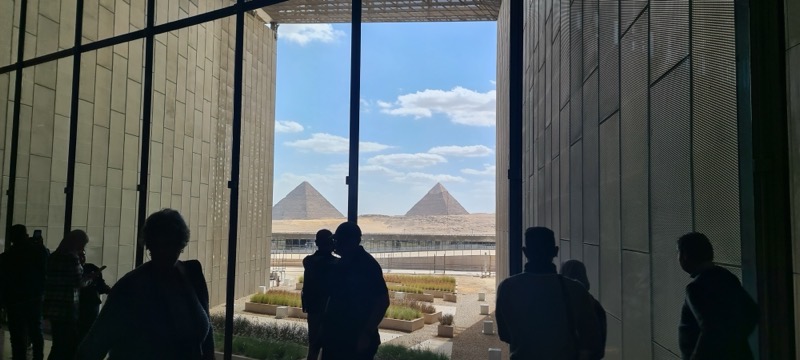
The GEM is the world's largest dedicated archaeological museum, opened in stages between 2021 and 2024. The permanent collection spans 24 themed galleries across 92,000 square metres of exhibition space. The Tutankhamun Galleries alone occupy three floors and present all 5,000 artefacts from the tomb — the complete collection displayed in one location for the first time in history. The Children's Museum wing offers interactive exhibits suitable for ages 4 to 14. Entry fees as of April 2026: EGP 1,500 for adults, EGP 750 for students with valid ID, EGP 300 for Egyptian nationals. Tutankhamun galleries add EGP 700. The Solar Boat Museum pavilion is included in the general ticket. Photography is freely permitted in all areas except three marked sections. Opening hours are 09:00–21:00 daily. The GEM bus shuttle runs from the Giza Metro station every 30 minutes from 08:30.

Read full guide
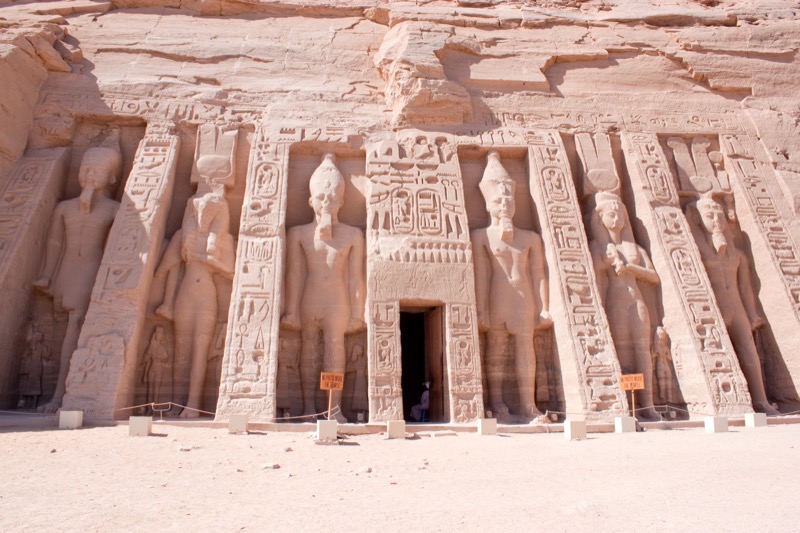
Egyptian Museum Tahrir Square facade

Downtown Cairo

Egyptian Museum, Tahrir Square

The pink neoclassical building completed in 1902 still houses over 130,000 objects, making it an essential complement to — not replacement for — the GEM. The density of material here is extraordinary: Royal Mummy Room, Jewellery of the Intermediate Periods, and the complete contents of Yuya and Tjuya's tomb are among highlights rarely found in guidebooks. Entry: EGP 450 for adults; Royal Mummy Room is an additional EGP 400. Open daily 09:00–17:00. Timed-entry slots are no longer required as of January 2026. Licensed guides with Tahrir Museum specialisation can be engaged from the official guide station at the east entrance gate.

Read full guide
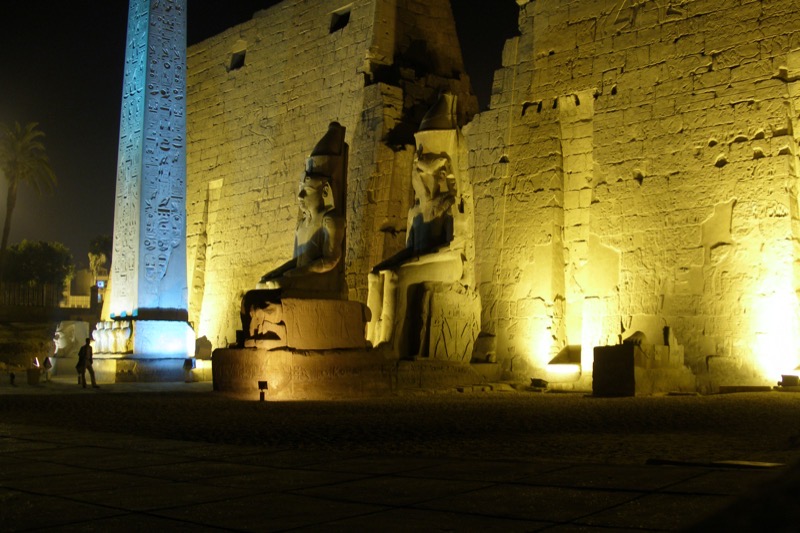
Museum of Islamic Art Cairo ornate interior

Al-Darb al-Ahmar

Museum of Islamic Art

Reopened in 2015 after eight years of post-blast restoration, the Museum of Islamic Art holds one of the world's finest collections of Islamic decorative arts: carved stucco panels, Fatimid rock crystal, Mamluk metalwork, and Ottoman carpets. The building itself — a 1903 neo-Mamluk structure — is as significant as the collection. Entry: EGP 220 adults. Open Tuesday–Sunday 09:00–17:00. Closed Mondays. Dr. Osman's room-by-room notes are available as part of our Discover Cairo membership guide. Photography with a personal camera is included in the entry fee; tripods require a separate EGP 150 permit.

Read full guide
Coptic Museum entrance courtyard in Old Cairo

Old Cairo (Misr al-Qadima)

Coptic Museum

Founded in 1910, the Coptic Museum preserves the world's largest collection of Coptic Christian art and artefacts, from early biblical manuscripts to elaborate liturgical textiles and carved ivories. The museum occupies two wings of a historic building abutting the Babylon Fortress walls. Among its most significant holdings: the Nag Hammadi codices facsimiles, a 3rd-century AD wall painting from a Fayyum church, and the largest collection of Coptic icons outside a functioning church. Entry: EGP 250. Open daily 09:00–17:00 except public holidays.

Read full guide
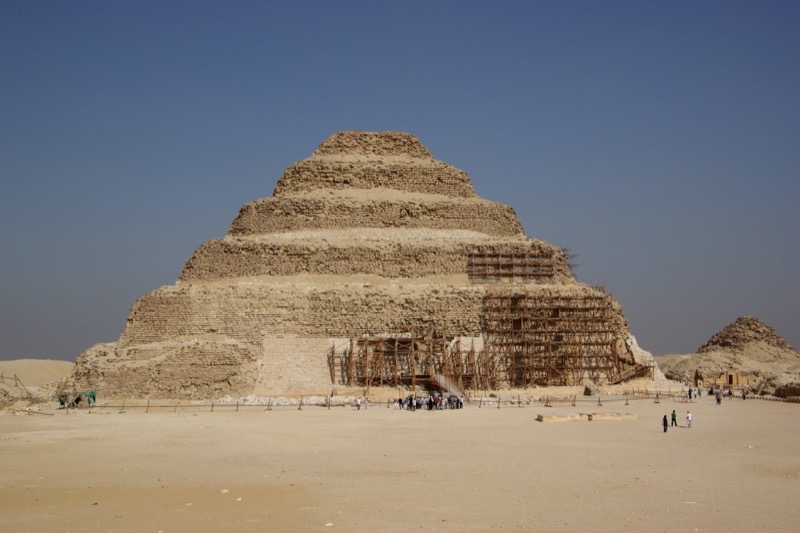
Saqqara step pyramid and desert plateau

Saqqara Necropolis

Saqqara Archaeological Zone

The necropolis of ancient Memphis stretches over 7 kilometres of desert plateau and contains 11 royal pyramids, hundreds of mastaba tombs, and multiple active excavation zones. The Step Pyramid of Djoser — the world's earliest large-scale stone structure, dated to c. 2650 BC — is the centrepiece, but Saqqara's painted Old Kingdom mastabas (Mereruka, Kagemni, Ti, Niankhkhnum and Khnumhotep) offer some of the most vivid daily-life imagery in the ancient world. Entry: EGP 450 general site ticket; individual tomb tickets EGP 100–250. Open 08:00–17:00 daily.

Read full guide
Giza pyramids seen from the plateau road at dawn

Giza Plateau

Giza Pyramid Complex

The most visited heritage site in Egypt and one of the most misunderstood. Our guide disentangles the tiered ticketing system: the plateau entry fee (EGP 460), the Great Pyramid interior supplement (EGP 600), the Khafre Pyramid interior (EGP 200), the Sphinx enclosure (included), and the Solar Boat Museum now housed inside the GEM. We document the camel-hire concession points, note where the licensed guides operate versus unlicensed touts, and identify the three viewing platforms offering the full three-pyramid alignment photograph without crossing private property.

Read full guide
Upper Egypt — Luxor & Aswan

Temples, Tombs & Museums of Upper Egypt

The Nile corridor between Luxor and Aswan concentrates the greatest density of intact monumental architecture anywhere on earth. These are our most frequently updated reviews, given the constant pace of new openings and restored access.

Karnak Temple hypostyle hall with massive columns

East Bank, Luxor

Karnak Temple Complex

Karnak was built, expanded, and rebuilt by successive pharaohs over a period of 2,000 years, making it a layered record of Pharaonic power and religious architecture unmatched anywhere in the world. The Great Hypostyle Hall — 5,000 square metres of forest-like columns — is the largest room of any religious building ever constructed. Our guide maps all six precincts, identifies the scarab statue that crowds circle for luck, and explains the sound-and-light show ticket logistics. Entry: EGP 450 general; EGP 200 for the Open Air Museum section. Open 06:00–18:30 daily.

Read full guide
Valley of the Kings entrance path, West Bank Luxor

West Bank, Luxor

Valley of the Kings

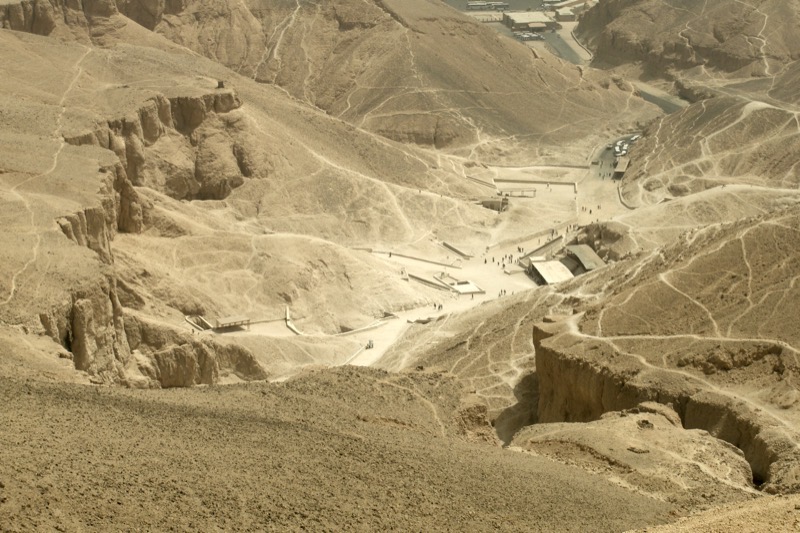
Sixty-three tombs, thirty open to visitors on a rotating basis, and a ticket system that confuses nearly everyone who arrives without preparation. The standard ticket (EGP 500) covers entry to three tombs selected by lottery. Tutankhamun (KV62) costs EGP 500 extra. Ramesses V/VI (KV9), the most elaborately decorated open tomb, requires the standard ticket plus a supplemental EGP 200. We list current open tombs as verified in March 2026 and note the climate-controlled rest house added in late 2025.

Read full guide
Nubian Museum exterior at dusk, Aswan

Aswan City

Nubian Museum

Opened in 1997 as part of a UNESCO programme to document Nubian heritage displaced by the Aswan High Dam, the Nubian Museum presents a 50,000-year cultural continuum in a building designed by Egyptian architect Mahmoud El-Hakim. The chronological galleries move from prehistoric rock engravings through the Kerma, Napatan, and Meroitic kingdoms to the Christian and Islamic periods. The outdoor garden contains relocated rock art panels and reconstructed Nubian houses. Entry: EGP 350. Open 09:00–13:00 and 17:00–21:00 daily.

Read full guide

Mediterranean Coast

Alexandria Heritage

Egypt's second city sits at the crossroads of Pharaonic, Greek, Roman, and Islamic civilisations. Our Alexandria coverage focuses on institutions that provide genuine depth rather than the tourist-circuit surface.

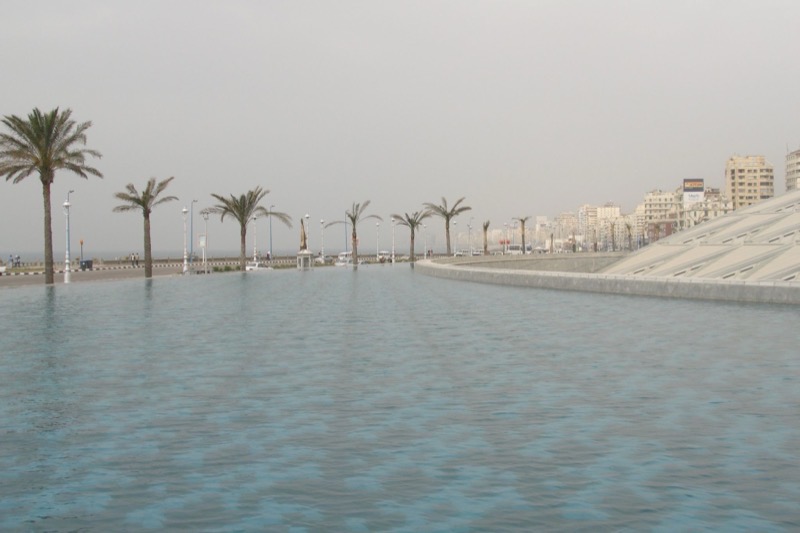
Bibliotheca Alexandrina curved roof seen from the seafront

Alexandria Corniche

Bibliotheca Alexandrina Complex

The 2002 revival of the ancient Library of Alexandria hosts four museums, a planetarium, and twelve specialised research centres. The Antiquities Museum in the basement houses 1,300 objects recovered during construction — including a 1st-century BC sculpture of the sleeping Eros and fragments of Pharaonic stelae — displayed with exemplary bilingual labelling. The Manuscripts Museum holds digitised papyri and medieval Islamic manuscripts. Entry: combined four-museum ticket EGP 600. Open Tuesday–Sunday 11:00–19:00. Friday hours 14:00–19:00 only.

Read full guide
Catacombs of Kom el-Shoqafa underground shaft, Alexandria

Karmouz District, Alexandria

Catacombs of Kom el-Shoqafa

Descending three levels into Alexandria's limestone bedrock, these 2nd-century AD funerary chambers represent the most sophisticated surviving example of Graeco-Egyptian art — a unique synthesis where Pharaonic, Greek, and Roman iconographic conventions are deliberately layered on a single monument. The Triclinium banquet hall, the Caracalla Tomb, and the Hall of Caracalla are all accessible. Lighting was upgraded in 2024. Entry: EGP 280. The site involves 65 steps with no lift; wheelchair access is not available at this time.

Read accessibility notes
Graeco-Roman Museum facade, Alexandria

Rhakotis District, Alexandria

Graeco-Roman Museum

After fifteen years of restoration, the Graeco-Roman Museum reopened in 2023 with a reorganised collection of 40,000 objects spanning the 3rd century BC to 7th century AD. Key exhibits include a series of terracotta figurines showing the religious syncretism of Ptolemaic Alexandria, a remarkable collection of mummy portraits painted in wax (the Fayyum Portraits), and a 2nd-century AD marble bust of Alexander the Great. Entry: EGP 300. Open daily except Monday, 09:00–17:00.

Read full guide

Need Help Choosing Which Sites to Visit?

Our research team can help you build a personalised heritage itinerary based on your available days, physical mobility, and specific historical interests. Reach us through the contact form.